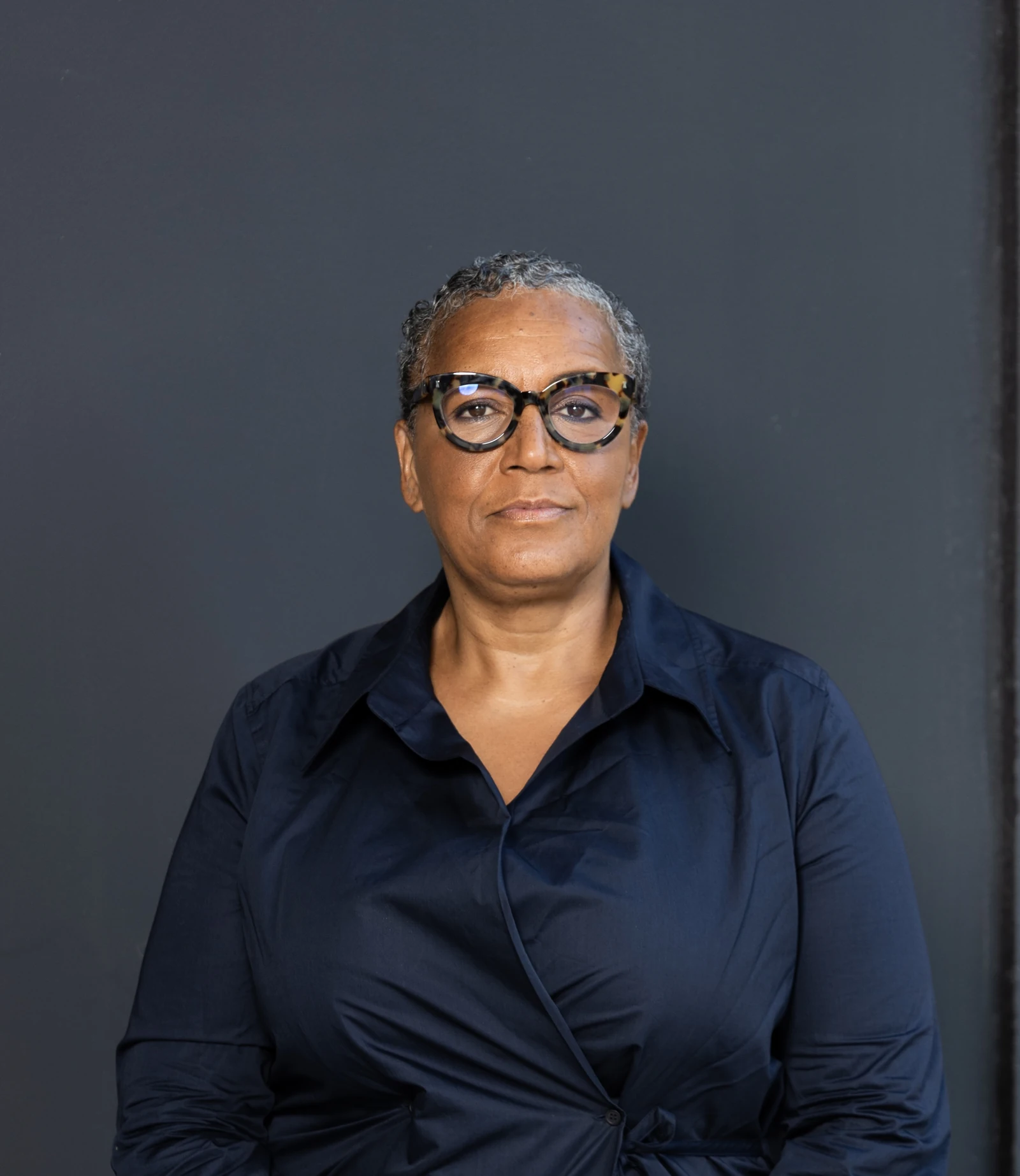
Practice profile · African Futures Institute, Accra.
An architectural school also designs the conditions in which ideas become possible. The African Futures Institute, founded by Lesley Lokko in Accra in 2021, approaches that task through teaching, research and public events. Its current institutional account extends the work into exhibitions, curatorial practice and publishing, giving architectural education several points of contact with public culture. 1
The institute’s flagship programme is the Nomadic African Studio. AFI describes it as an experimental platform organised around collective learning, with design studios, seminars, lectures, workshops and public conversations. Its published 2026 programme identified Accra as the host city and 20 July to 14 August as the scheduled teaching period. This is the programme’s documented framework, rather than an assessment of its delivery. 2
That distinction between a permanent institution and a mobile teaching model is productive. A headquarters can hold archives, relationships and continuity. A studio organised around different places can ask its participants to confront the assumptions carried into a brief. Together, the two suggest an educational structure in which returning and moving are complementary parts of learning.
AFI explicitly positions Africa as a generator of architectural ideas and describes the studio as resisting fixed hierarchies of knowledge. Its published approach brings together participants from varied places and professional backgrounds, with teaching by practitioners, academics, artists and activists. The educational ambition is therefore present in the composition of the group as well as in the projects it undertakes. 2
Lokko’s role spans those different kinds of work. The London Design Festival’s speaker biography identifies her as AFI’s founder and the Nomadic African Studio’s director, alongside her curatorial and publishing experience. That official profile also records the 2024 RIBA Royal Gold Medal. The earlier recognition supplies context for the current practice; it is not presented here as a new award. 3
An editorial reading of this model begins with a practical question: who gets to define a relevant architectural problem? The answer influences the references a student is encouraged to use, the people whose knowledge is treated as evidence and the audiences to whom a design must be explained. Teaching becomes a structure for testing those decisions in public.
The institute’s significance lies in keeping that structure open to several forms of practice. A publication can carry an argument beyond a studio; an exhibition can make a research question visible; a shared conversation can change the next brief. AFI offers a particular organisational setting for those exchanges, allowing education to contribute to architecture through the questions it makes possible.